 The Skills Lab
The Skills Lab
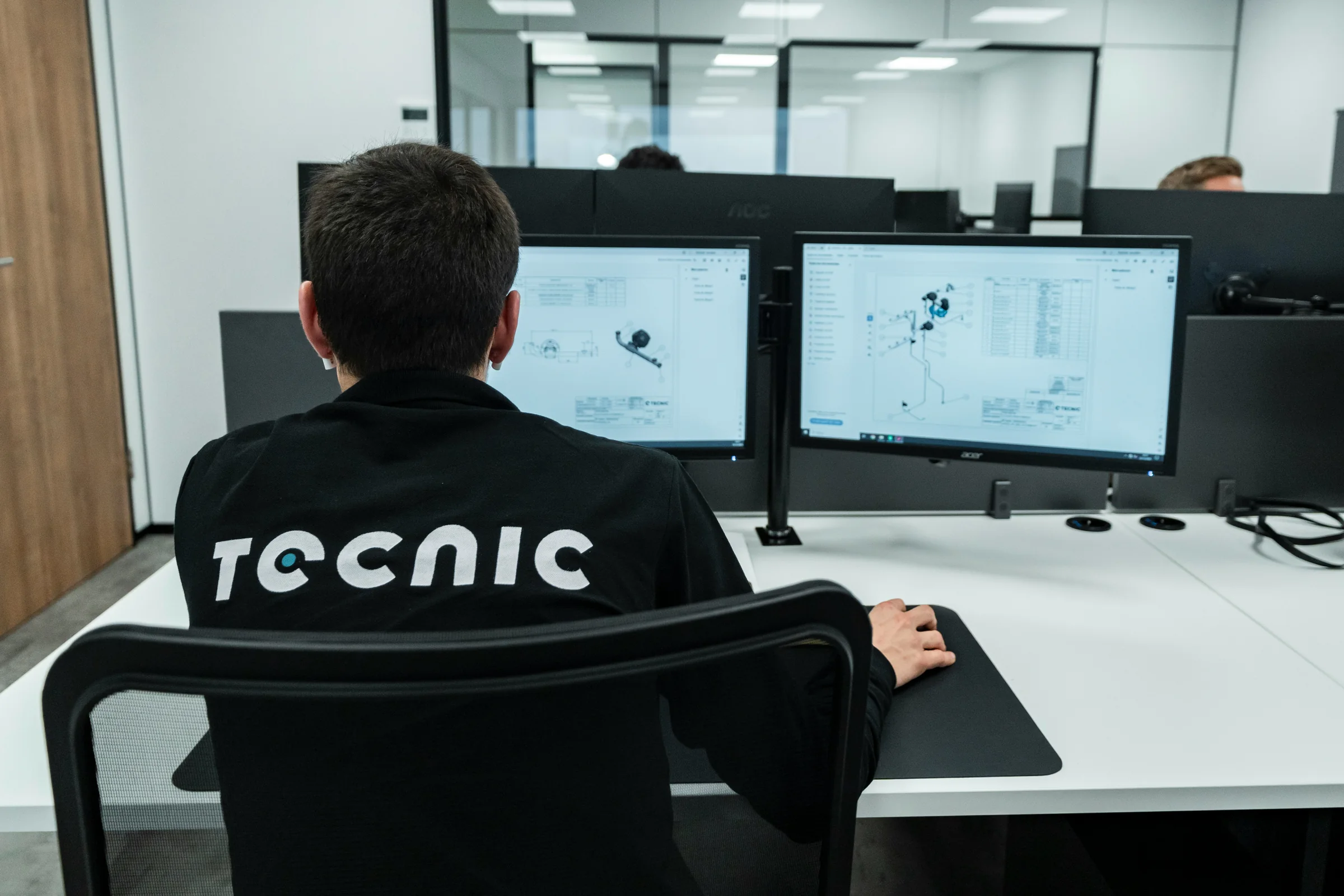
Open a dedicated aerospace simulation and CAD training centre in Kathmandu, designed to serve more than 200 engineers each year.
Phase 01
Loading NAESL
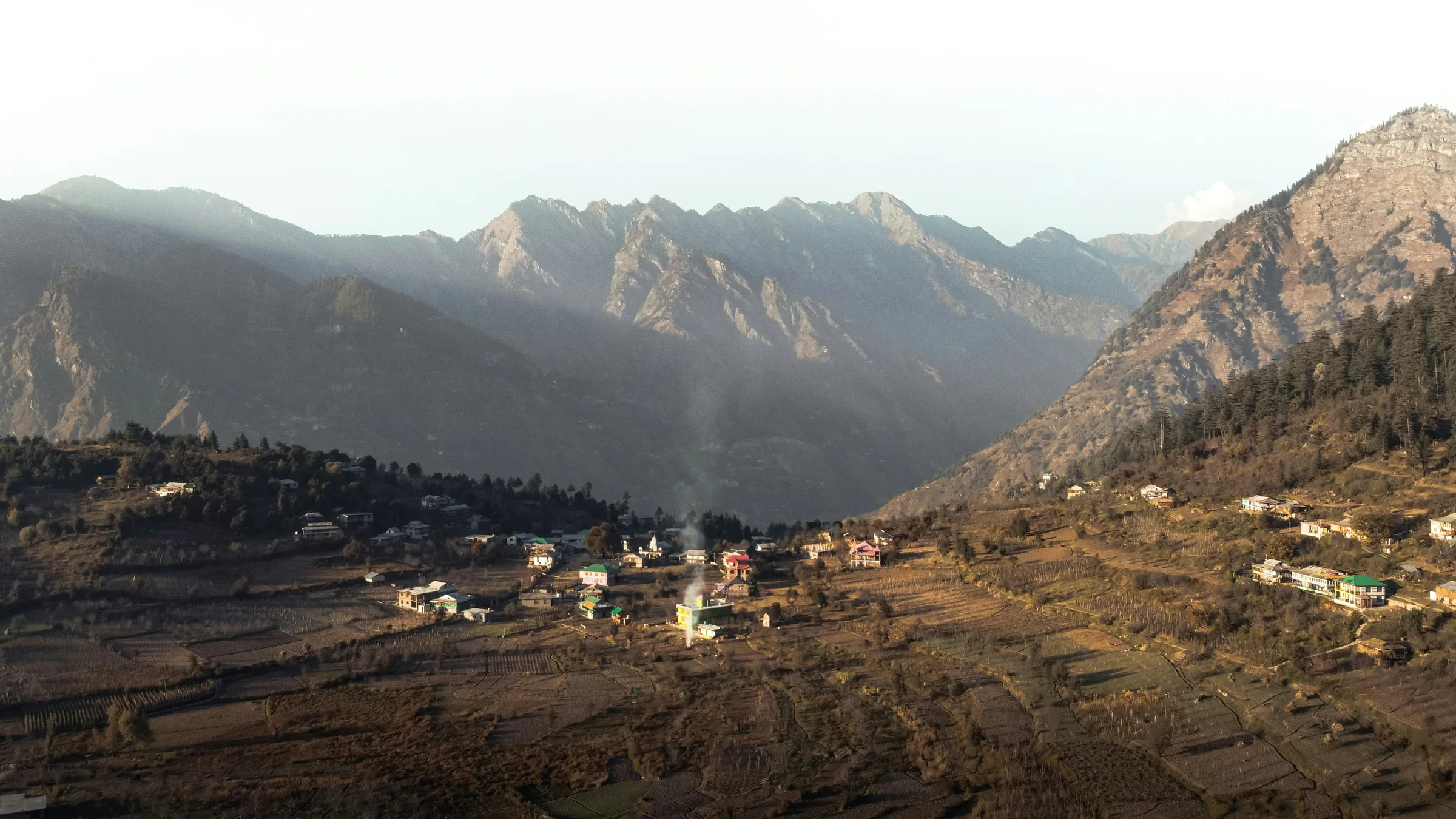
Our Vision
Nepal has the people. It needs the room, tools, and belief to build.
Read our vision ↓
How we get there
NAESL trains aerospace and UAV engineers, then puts their skills to work where Nepal needs them most: saving lives, strengthening public safety, and creating a domestic platform for innovation.
The four stages below turn that ambition into a practical path.
The long game
The Skills Lab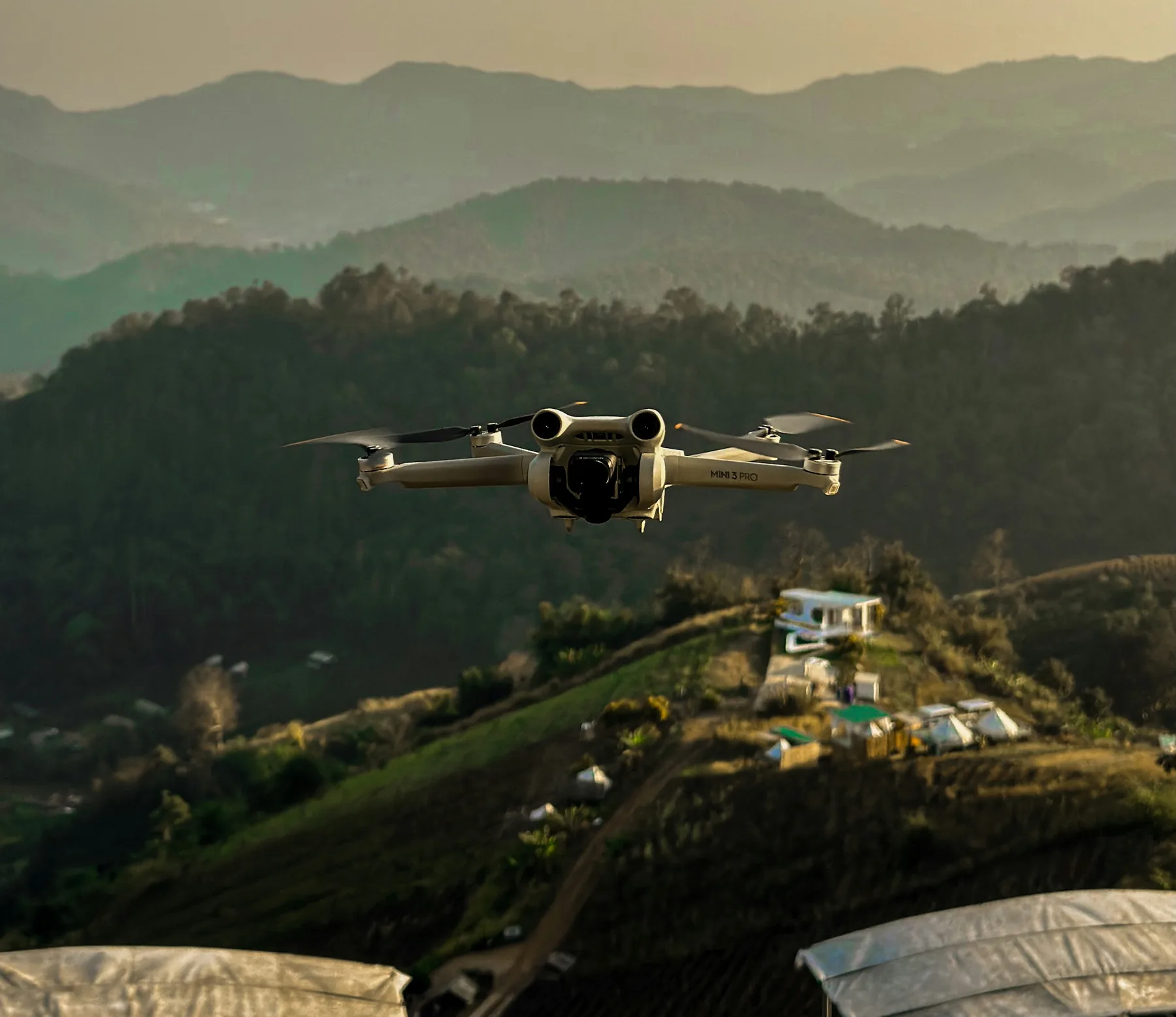 Drone R&D Projects
 Government & Defence Partnership
 National Pilot Programme
Why this matters for Nepal
Nepal's geography and its recent history point to the same conclusion. Three areas make the case.
Disaster response
Nepal sits on one of the world's most active fault lines and receives some of the most intense monsoon rainfall on Earth. The record is unambiguous:
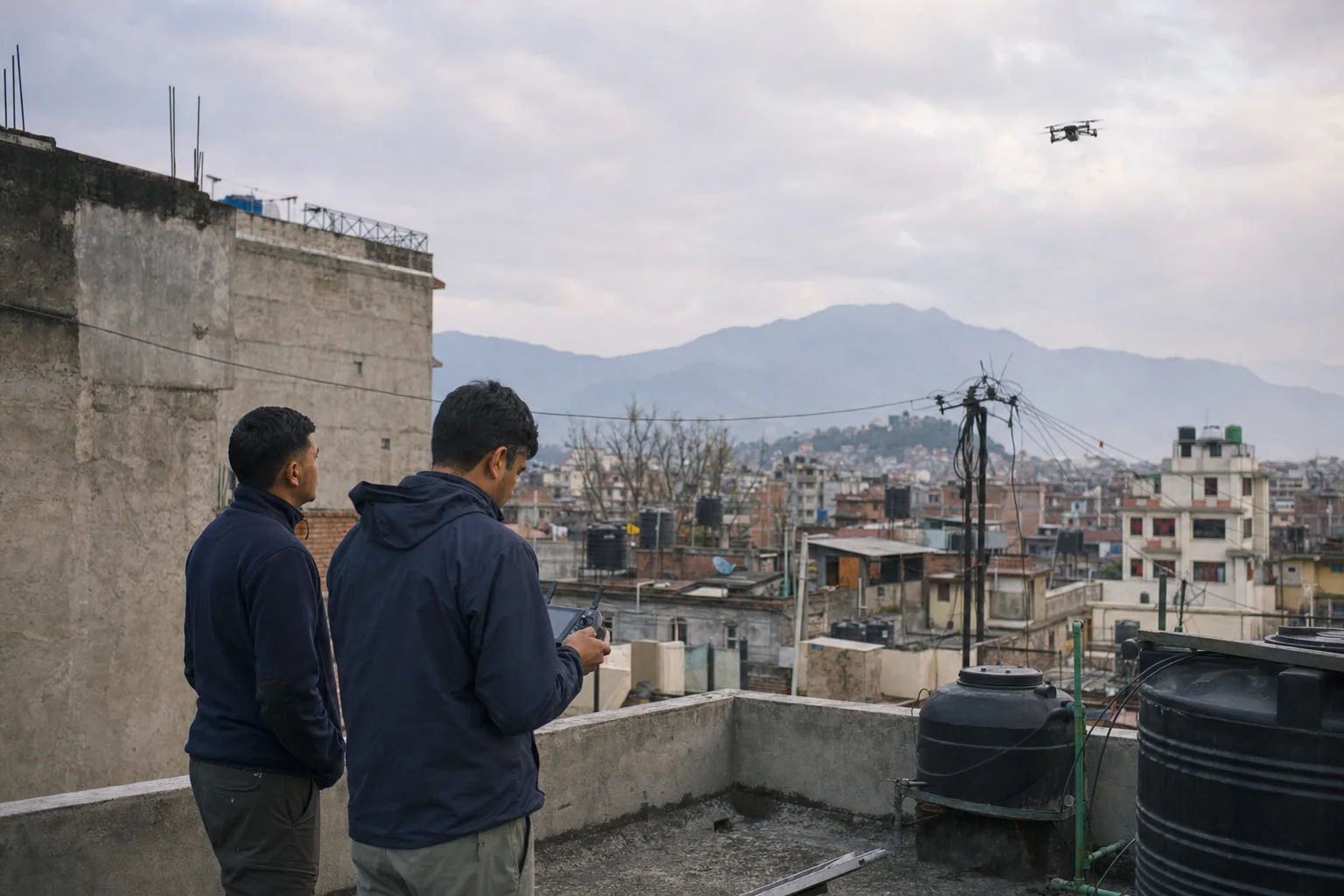
Thermal-imaging drones can locate survivors under rubble or debris in minutes rather than the hours or days ground teams currently need, and can reach collapsed hillsides, flooded valleys, and blocked highways that vehicles and search parties cannot. Nepal Army and Nepal Police currently have very few trained drone operators of their own. NAESL is built to close that specific gap: producing the engineers and operators who give search-and-rescue teams eyes in places they cannot otherwise reach, in time to matter.
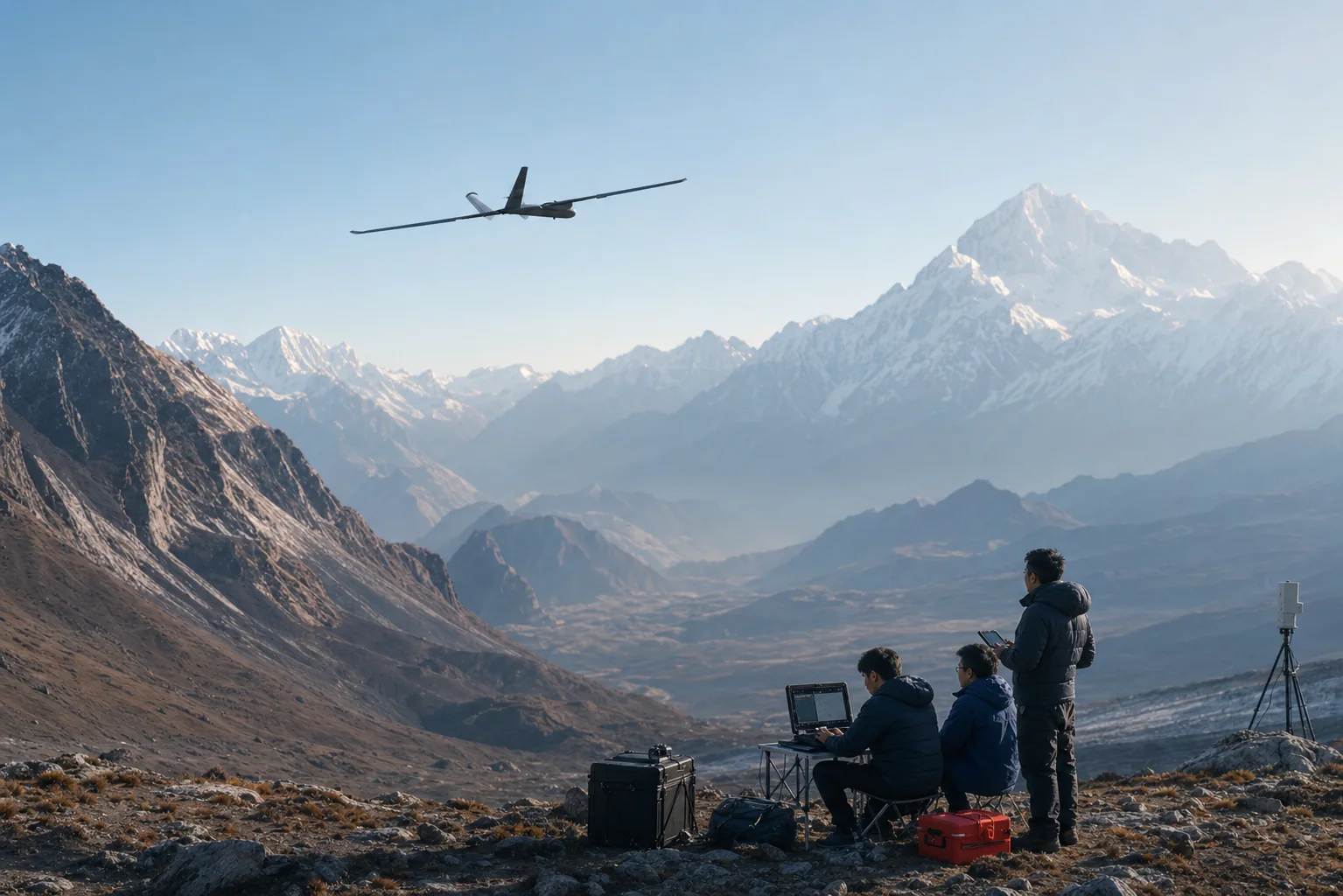
Border security
Nepal's western border with India remains disputed across the Kalapani-Lipulekh-Limpiyadhura triangle, an area of roughly 372 square kilometres of high-altitude, largely inaccessible terrain.
Reliable aerial monitoring and mapping, flown, maintained, and interpreted by Nepal's own trained engineers, gives Nepal's security and survey agencies an independent, evidence-based picture of its own frontier, rather than depending on foreign imagery or infrequent physical patrols.
Public safety
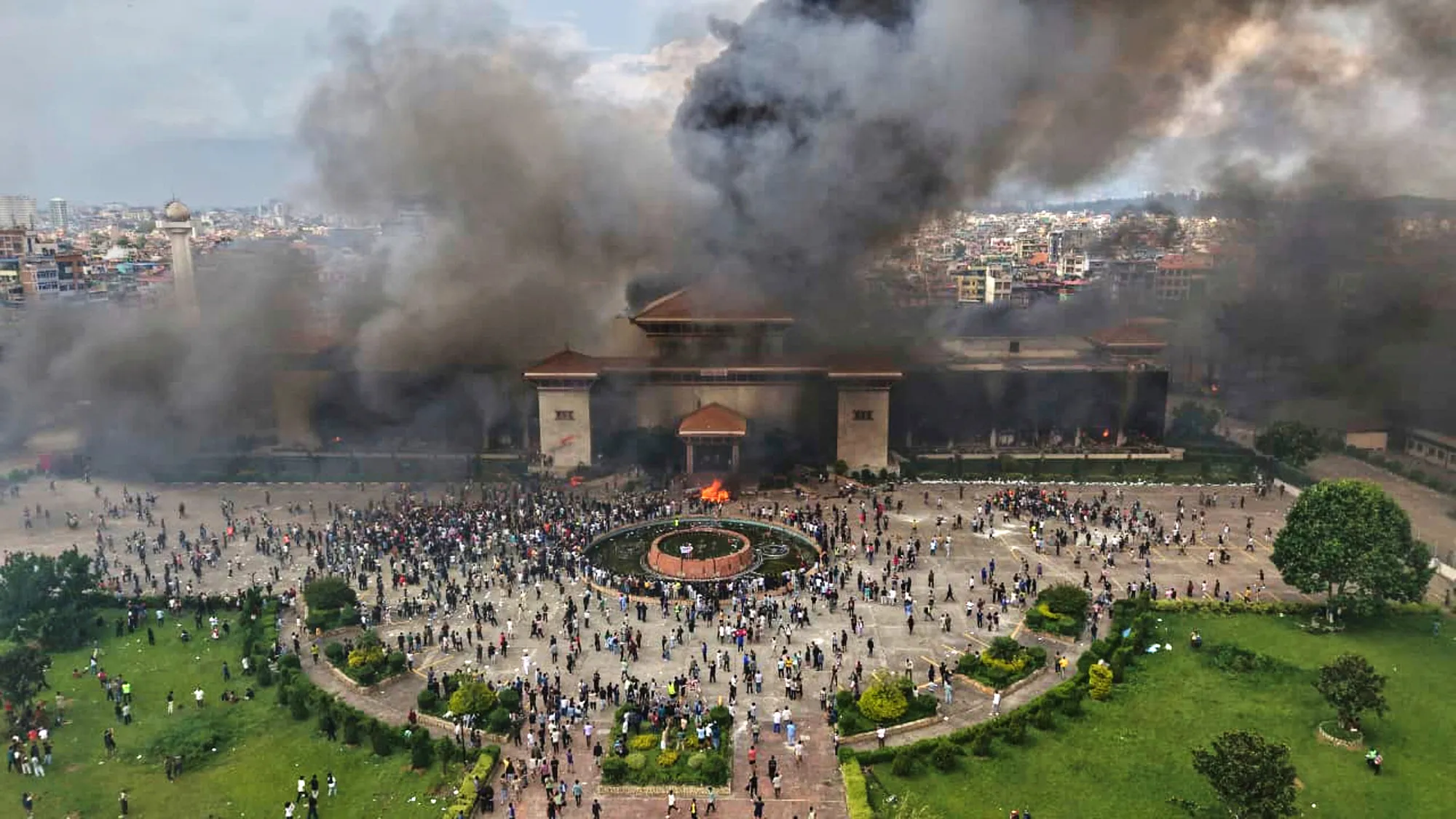
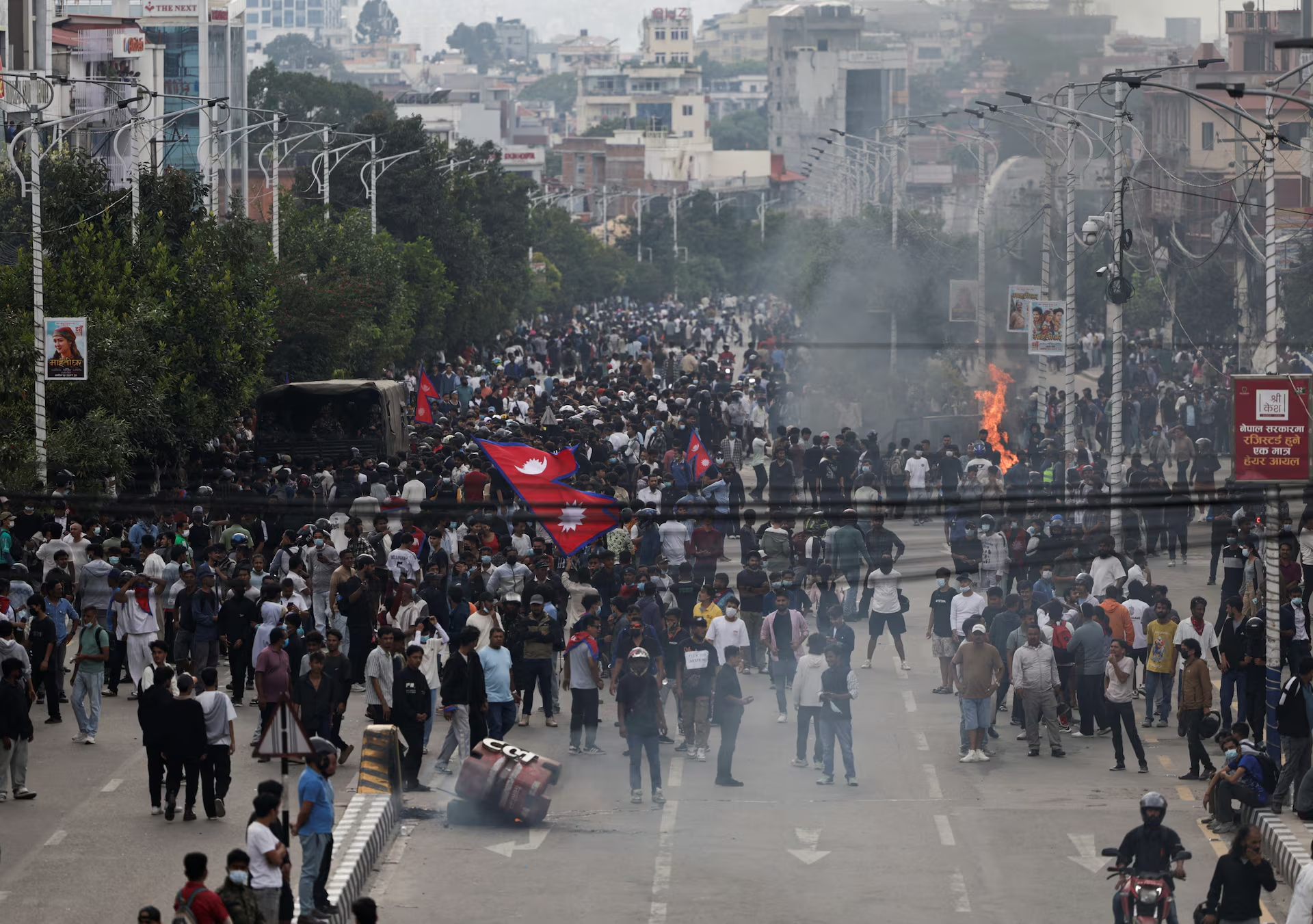
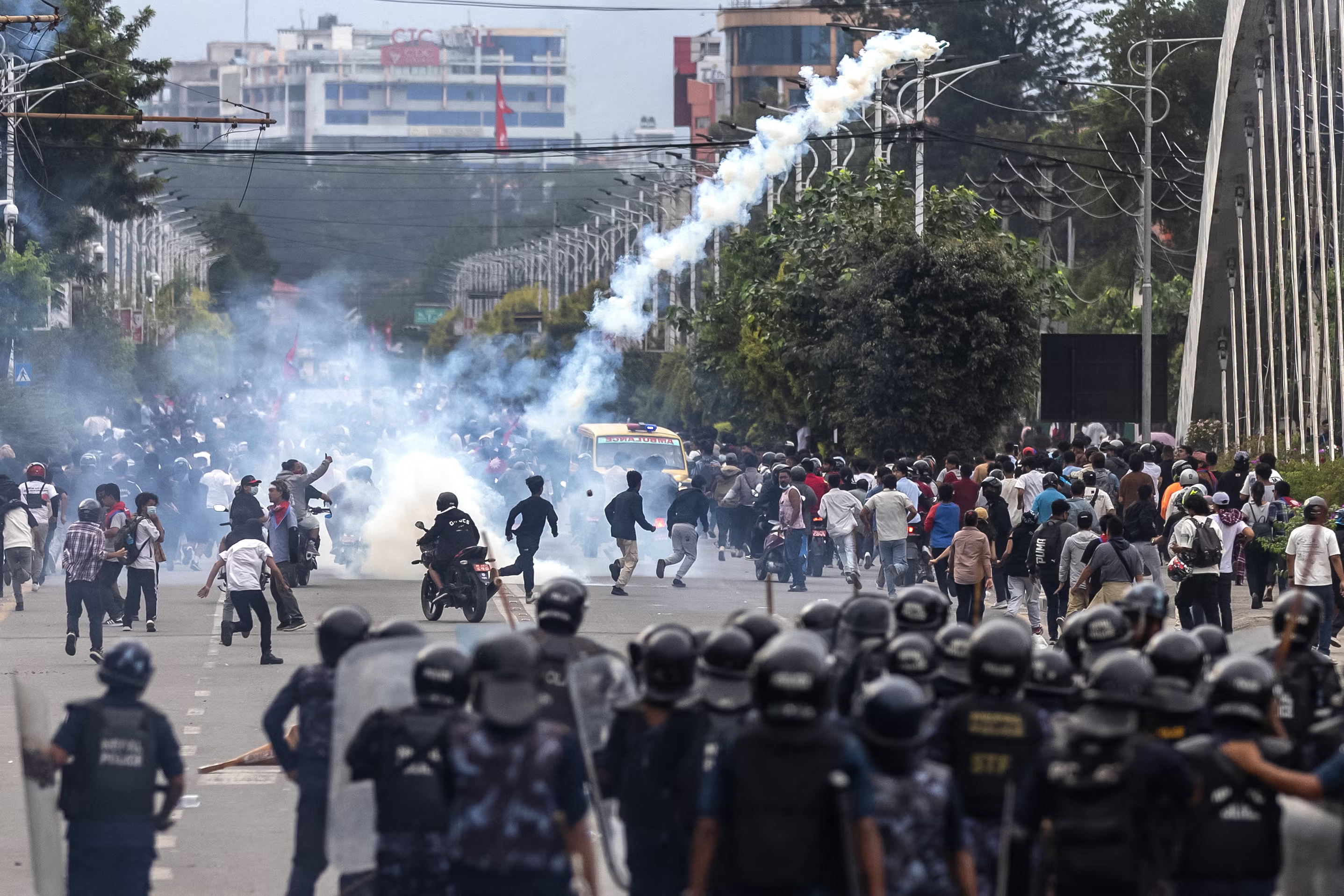
In September 2025, anti-corruption protests in Kathmandu turned into the deadliest public unrest in Nepal's modern history: at least 19 people were killed and over 300 injured on a single day, with the toll rising to 76 dead and more than 2,000 injured nationwide over the following week.
This is precisely the kind of failure that aerial situational awareness is built to prevent, not by arming anyone, but by giving commanders a live overhead picture of crowd movement, identifying safe dispersal routes, and coordinating medical evacuation before a crisis escalates to lethal force. Nepal currently has neither the domestic UAV capacity nor the trained operators to provide that. Building both is part of NAESL's long-term mandate.
The common thread
Nepal has almost nobody trained to design, build, operate, or maintain the aerial systems each of them requires. NAESL's goal is simple: train the engineers today who give Nepal the capability to protect its own people tomorrow.
Join us, and be part of building it. →